UN Special Envoy for Yemen Hans Grundberg continues his diplomatic efforts between Riyadh and Muscat in an attempt to de-escalate mounting tensions triggered by unauthorized Iranian flights to areas controlled by the Houthi group and the attacks launched by the group toward Saudi Arabia, amid concerns that the period of relative calm in Yemen could collapse after having continued since the UN-brokered truce expired in late 2022.
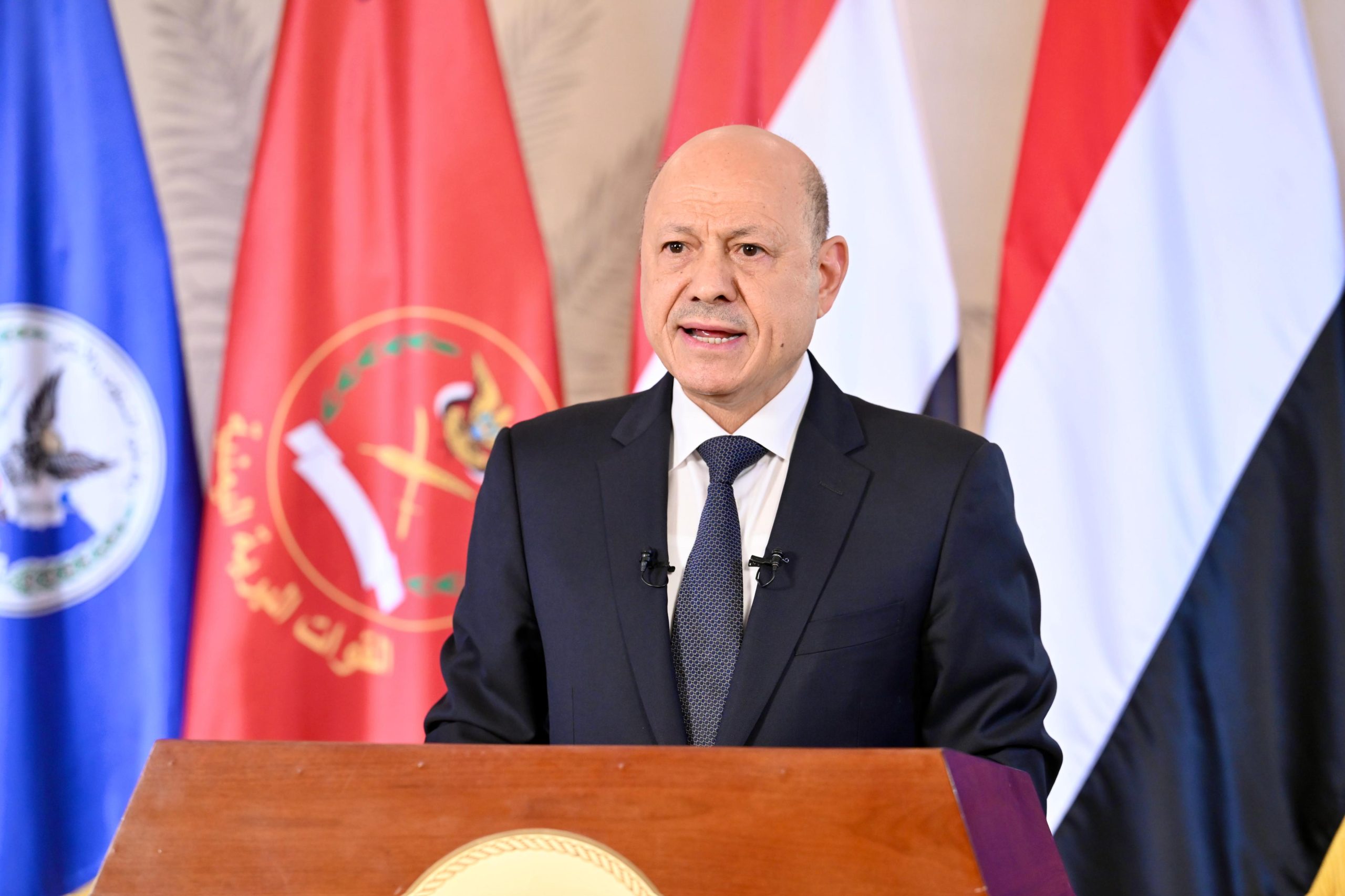
The Office of the UN Special Envoy announced on Sunday, July 19, that Grundberg had concluded a visit to Riyadh, where he met with Presidential Leadership Council Chairman Rashad al-Alimi, Saudi Ambassador to Yemen Mohammed Al Jaber, and representatives of the five permanent members of the UN Security Council, before returning to the Omani capital, Muscat, to continue his consultations.
The office said the discussions in Riyadh focused on the need for immediate de-escalation and for the parties to agree on a path that preserves the gains achieved through the UN-brokered truce in 2022. It added that Grundberg stressed the importance of insulating Yemen from the broader regional escalation and preserving the space necessary to launch an inclusive, Yemeni-led political process to end the conflict.
Grundberg’s return to Muscat comes five days after meetings he held there on July 14 with senior Omani officials and the head of the Houthi negotiating delegation, Mohammed Abdulsalam. The discussions focused on immediate de-escalation and reaching an agreed path to preserve the relative calm Yemen has experienced since the truce.
During those meetings, the envoy called on the Houthi militia to engage in UN-sponsored negotiations on short- and long-term priorities across the political, military, security, and economic tracks, leading to a comprehensive and sustainable resolution of the conflict.
The envoy’s diplomatic efforts followed Yemen’s entry into a new phase of escalation on July 13, after an Iranian aircraft operated by “Mahan Air” violated Yemeni airspace for the second time in ten days and attempted to land at Houthi-controlled Sana’a International Airport without the approval of the internationally recognized government.

The Yemeni Armed Forces announced that they had targeted the runway at Sana’a International Airport to prevent the Iranian aircraft from landing, forcing it to change course and land at Hodeidah Airport. The government, meanwhile, declared itself in permanent session, formed a team to manage the crisis and coordinate military, political, diplomatic, and legal efforts, and raised the readiness of the armed forces and security agencies to protect Yemen’s airspace and ports of entry.
The incident was followed by an announcement from the Houthi group that it had launched ballistic missiles and drones toward southern Saudi Arabia, claiming to have targeted Abha International Airport. The Coalition to Support Legitimacy, however, said air defenses had intercepted missiles launched by the group toward the southern region.
During the Riyadh meeting on Saturday, President al-Alimi told the UN envoy that the latest crisis “did not begin over Sana’a Airport or the pretext of the blockade, but with a violation of sovereignty and an attempt to impose an Iranian flight outside the authority of the state.” He described the Houthi threats as blackmail aimed at plunging the country into a comprehensive humanitarian crisis.
Al-Alimi said the Houthis’ practices were linked to Iran’s priorities and its regional project, stressing that the peace process requires “bold political tests” demonstrating that there is no future for any group that challenges the government’s exclusive authority, retains weapons outside state institutions, or claims a political, religious, or dynastic right that supersedes the will of the people and the rule of law.
Alongside the UN diplomatic efforts, Grundberg welcomed Jordan’s announcement of an initiative to operate regular flights between Amman and Sana’a, saying the step would help expand access to civilian air travel for Yemenis, one of the core principles of the 2022 truce.
The envoy’s office said Grundberg continues to communicate with the parties to ensure that the Jordanian initiative contributes to broader understandings that preserve the gains of the truce and respond to the urgent and long-term needs of Yemenis.

The envoy’s office did not announce that any specific understandings had been reached during the meetings in Riyadh or the earlier talks in the Omani capital. His latest visit to Muscat, however, returns him to the channel of direct communication with the Houthi leadership and Omani mediators, after hearing the government’s position in Riyadh regarding sovereignty, the Iranian flights that violated Yemeni airspace, and the future of the peace process.
At its current stage, the UN diplomatic engagement between Muscat and Riyadh revolves around the urgent objective of preventing the Houthi-Iranian escalation from undermining the relative calm that has prevailed since 2022, keeping Yemen out of the regional confrontation, and addressing the continued failure to launch comprehensive political negotiations to end the war.