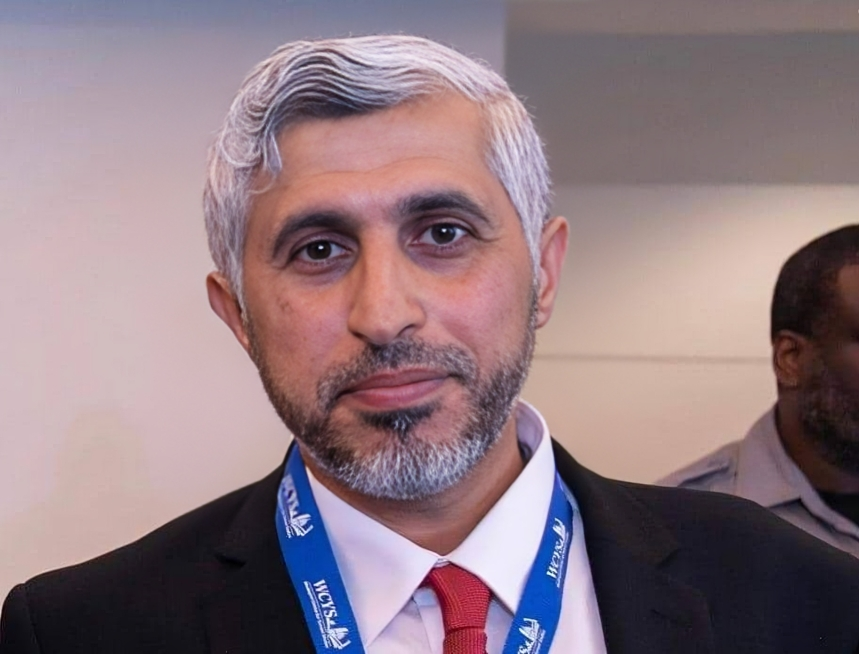
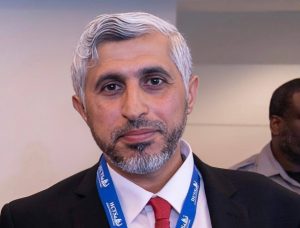
Abdul-Samad al-Faqih, president of the Washington Center for Yemeni Studies, called on Yemen’s internationally recognized government to broaden international support for Yemen and step up engagement with influential members of the UN Security Council, amid a limited response to its appeals over the siege of Taiz and attacks on Aden International Airport.
In an exclusive interview with Yemen Daily News, al-Faqih said the government’s delay in building effective international relationships was one of the shortcomings of its foreign policy.
He added that, in his view, the overlapping interests of influential countries and networks of influence linked to the Houthi militia had contributed to waning international attention to Yemen and prolonged the crisis.
He said former and current Houthi leaders were linked to international networks of influence through cooperation with Iran, Lebanese groups aligned with Hezbollah, Iraqi groups, and figures from the remnants of the Assad regime.
Al-Faqih said Russia and China had benefited from these networks in their discussions and political bargaining with the United States and Western countries. He said the two countries had on several occasions blocked the adoption of Security Council resolutions targeting the militia.
The siege of Taiz and action at the Security Council
According to Yemen Daily News, statements by the Security Council and the UN envoy for Yemen on the escalation in Taiz called on the parties to stop targeting civilians without naming the party responsible.
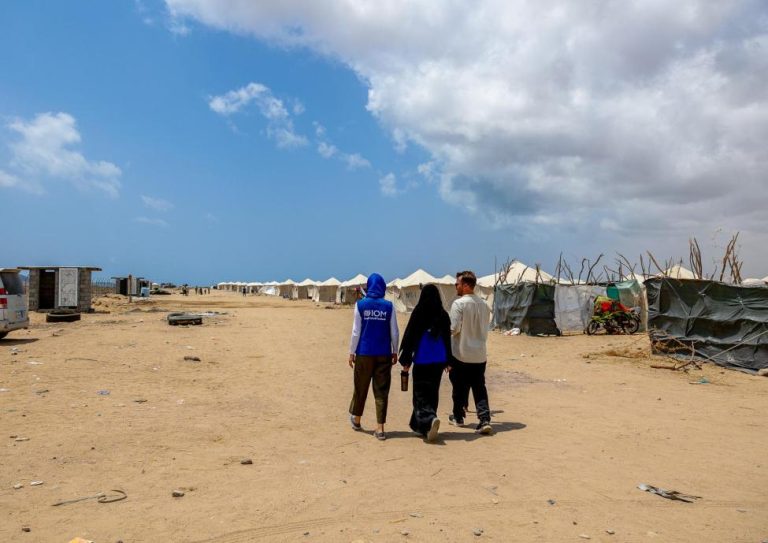
The outlet said the siege imposed by the Houthi militia affects nearly two million civilians, including displaced people.
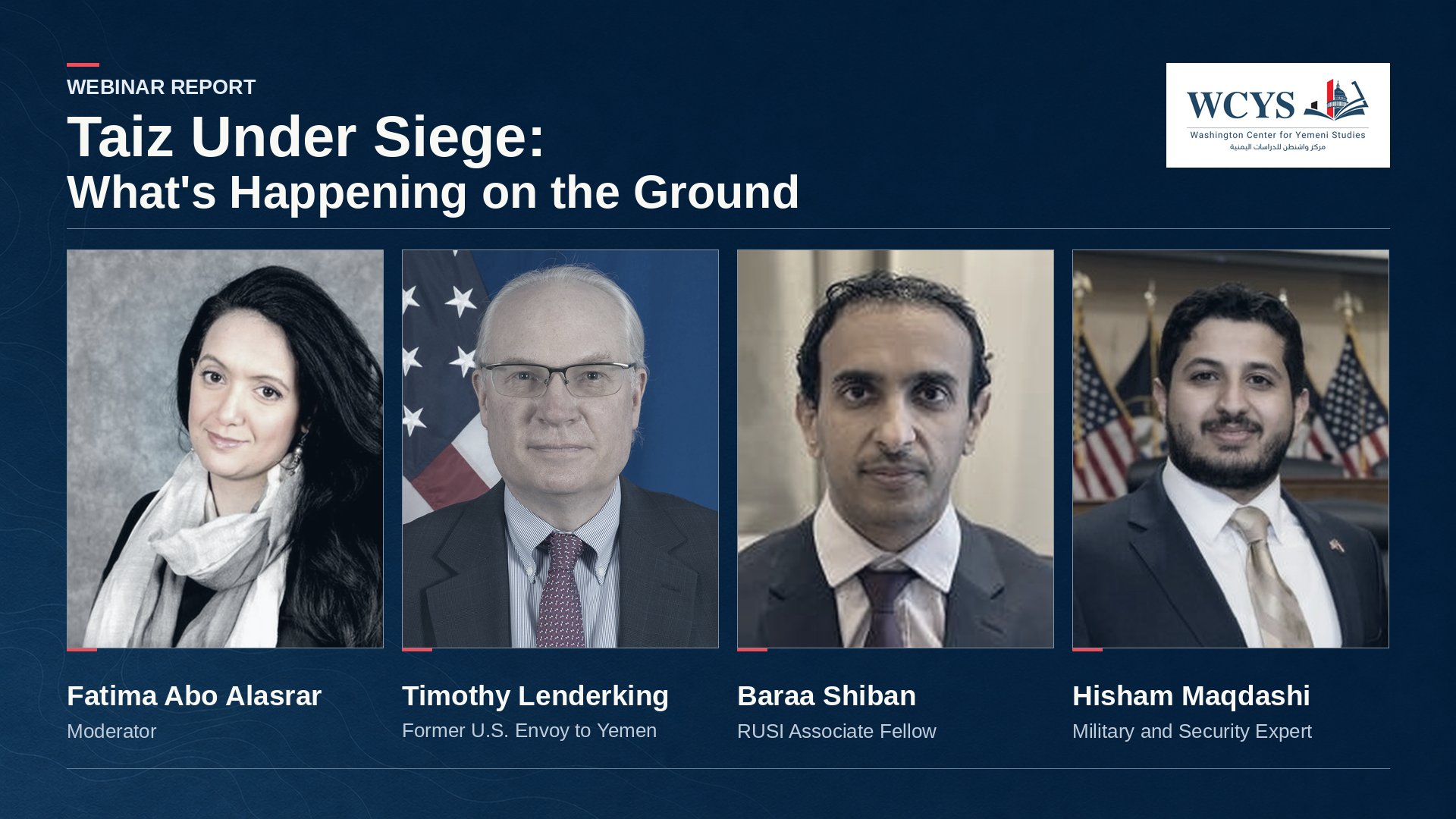
Al-Faqih said international actors were aware of what was happening in Taiz and that addressing the siege required direct, sustained engagement backed by field reports documenting violations and detailing their humanitarian and human rights impact.
He called for regular meetings with representatives of Security Council member states and the UN envoy for Yemen, and urged the government to draw on the relationships of coalition countries to broaden its channels of communication.
He stressed the importance of continuing to raise the siege of Taiz and the targeting of Aden International Airport and the presidential palace with the Security Council, while providing international actors with regular updates on developments on the ground.
He emphasized that the government was the authority mandated to handle Yemeni affairs internationally and that any contact with groups designated as terrorist by several countries should take place with the government’s knowledge and in coordination with it.
The role of Yemeni embassies
Al-Faqih said Yemeni embassies abroad, together with the diplomatic expertise and relationships of government leaders, could help the government strengthen Yemen’s presence in international forums.
He called for allocating an adequate budget for diplomatic work and building relationships with influential actors on Yemen, particularly the permanent members of the Security Council.
He also called for producing specialized reports, investigations, and research, and for holding regular conferences and seminars aimed at opinion leaders and media organizations worldwide. He said government efforts in this area needed more attention and resources.